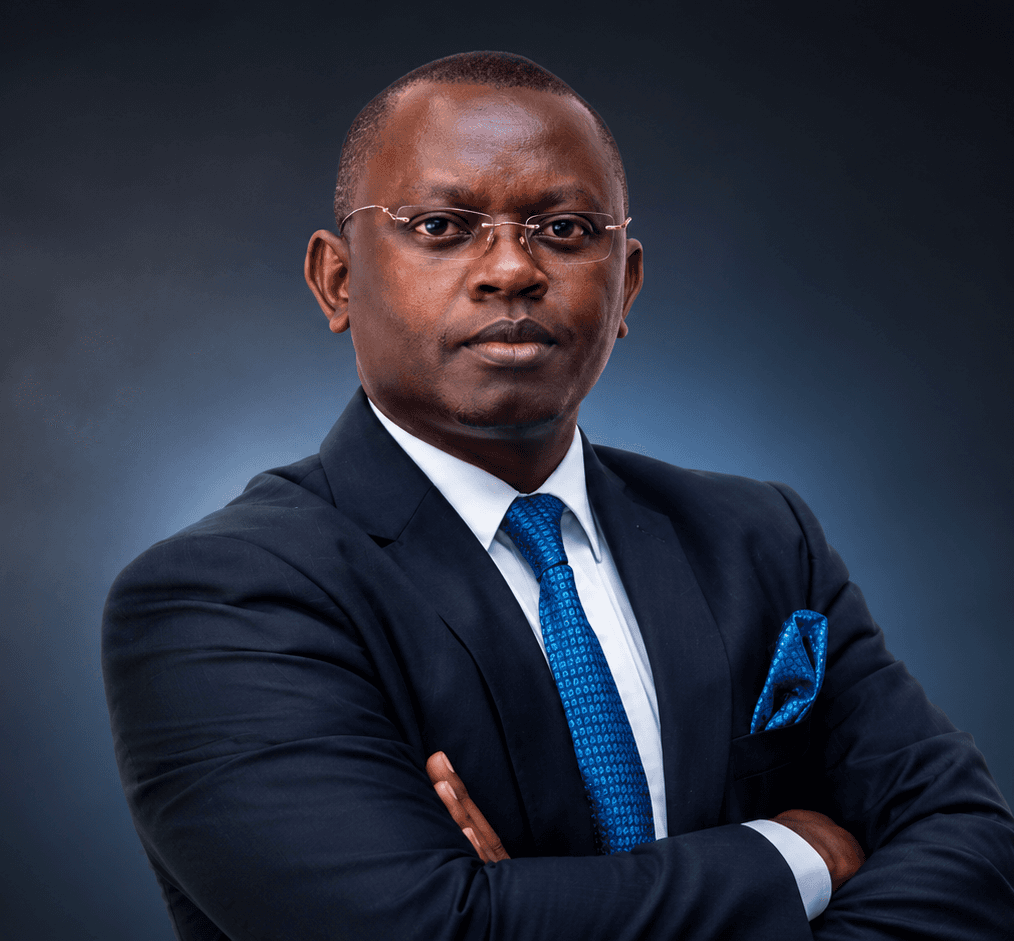
Alex Rumanyika
Chief Strategy Officer, NSSF Uganda
Play Video
Quote
"If we did not address the informal economy — the area where most jobs are being created — it could affect the long-term sustainability of the fund." — Alex Rumanyika
Kenya’s pension industry is one of the country’s largest pools of long-term capital. A relatively small share is currently allocated to private equity, venture capital, and other alternative assets. This series brings together leaders directly involved in the stewardship, allocation, and deployment of pension capital. Through their perspectives, it examines how investment decisions are made, what considerations shape allocation to alternative assets, and how the market is evolving. Together, the conversations offer a focused view of the factors influencing pension capital deployment in Kenya.
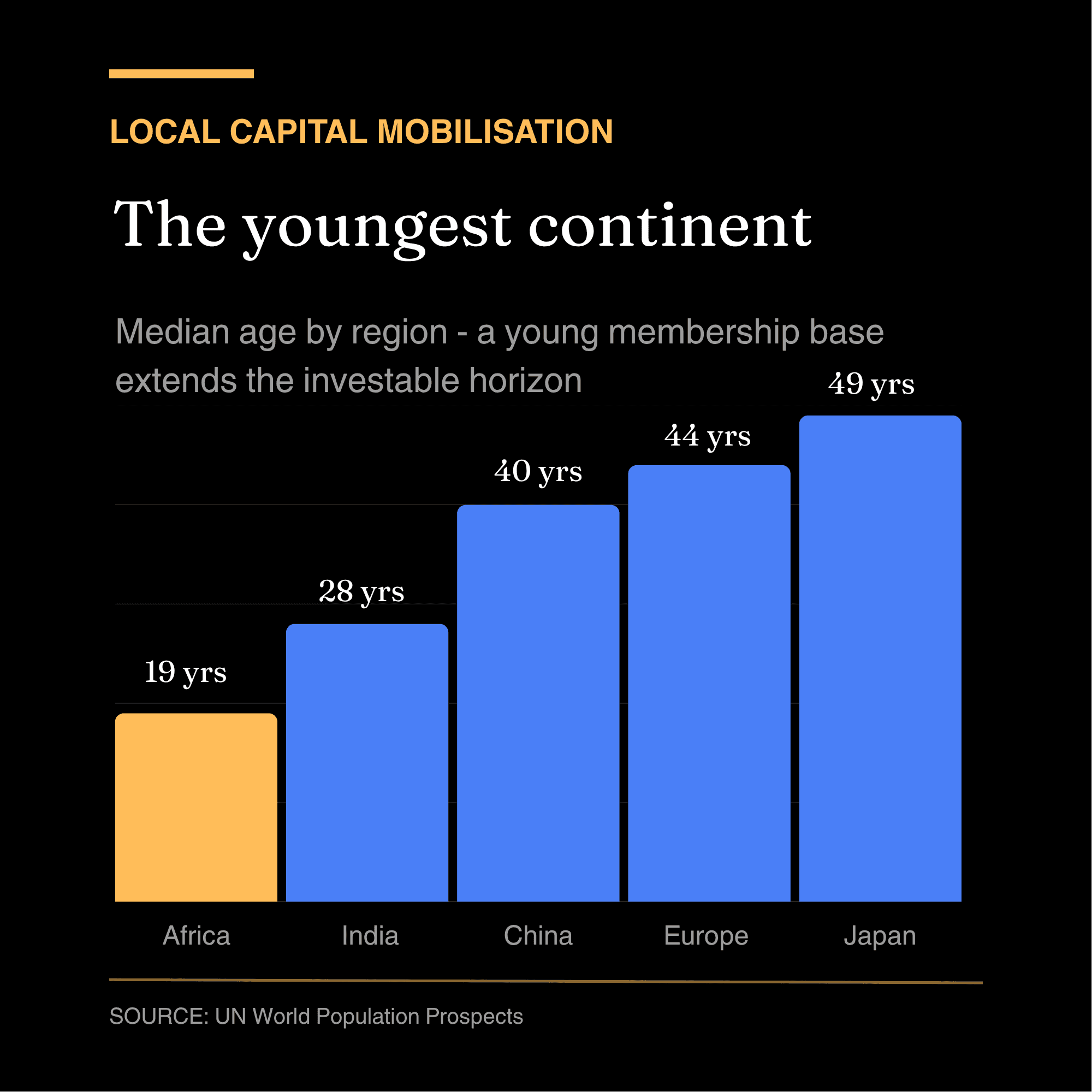
Most Kenyans don't have a pension, and the reason is structural. Pension contributions are typically deducted from a salary — an employer registers a worker, and money flows into a retirement account each month. But approximately 83% of Kenya's workforce is informally employed (KNBS, 2023): traders, artisans, transport operators, smallholder farmers. They earn income, but without a formal employer or payroll, there is no deduction, no account, no accumulation. In Uganda, the informal share exceeds 90%. This is why pension coverage in Kenya reaches only about a quarter of the working-age population — the system, as designed, simply cannot see most workers.
Closing that gap means moving workers into formal employment, and this is where investment plays a direct role. When private equity or venture capital funds a growing small business, that business registers, hires formally, runs a payroll, and begins remitting pension contributions for its staff. Jobs that were informal become jobs that build retirement savings. Pension funds that invest in these businesses are therefore doing two things at once: earning returns for today's members, and creating tomorrow's.
More Stories